 September Sale Now On — Save Up to $300 Extra!
$150 OFF $1,500 · $200 OFF $2,000 · $300 OFF $2,500 — Reduced Prices + Extra Savings — Ends September 11!
September Sale Now On — Save Up to $300 Extra!
$150 OFF $1,500 · $200 OFF $2,000 · $300 OFF $2,500 — Reduced Prices + Extra Savings — Ends September 11!




If you sell entertainment at events for a living — or you’re about to start — the 360 photo booth is still the piece of gear that pays for itself fastest. But “best” depends entirely on who is booking you and what you’ll haul to each event. This guide walks through how to choose the right 360 photo booth in 2026: the sizes, the specs that actually matter, the honest trade-offs between formats, and the buying traps that cost operators real money in their first year.
Short answer
- Most mobile operators should buy a 32″ or 40″ spin booth. The 32″ fits a group and still rides in a sedan; the 40″ adds an LED-glass platform and room for 4–5 people.
- Book big weddings and corporate crowds? Go 45″ (rated to 800 lb, comfortably fits up to 7).
- Tight venues, solo setups, or a second unit? A 27″ is the easiest to carry alone.
- Want the lowest entry price or a totally different vibe? An iPad selfie booth (from a few hundred dollars) or a Magic Mirror booth broadens what you can offer.
- The specs that decide “best”: platform build and motor, capacity/weight rating, the app/software, lighting, and — the part buyers skip — warranty, replacement parts, and where it ships from.
1. What actually makes a 360 photo booth “the best”
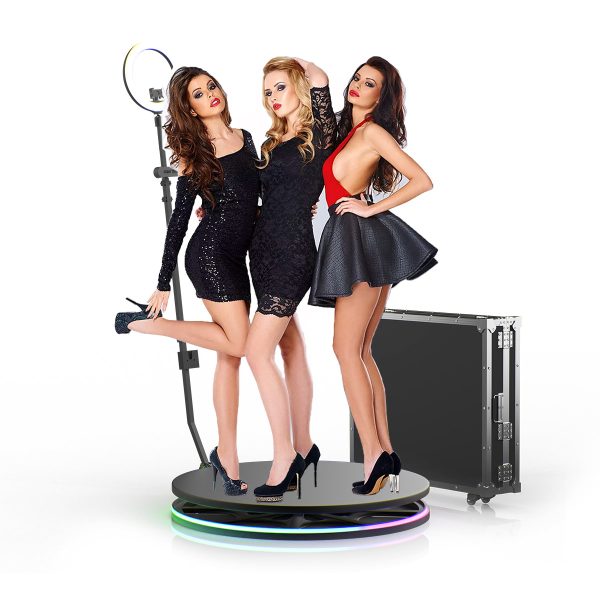
Every 360 booth looks similar in a product photo: a spinning arm, a platform, a phone or camera mount, a ring light. What separates a booth you’ll still be running in three years from one that dies mid-season comes down to six things.
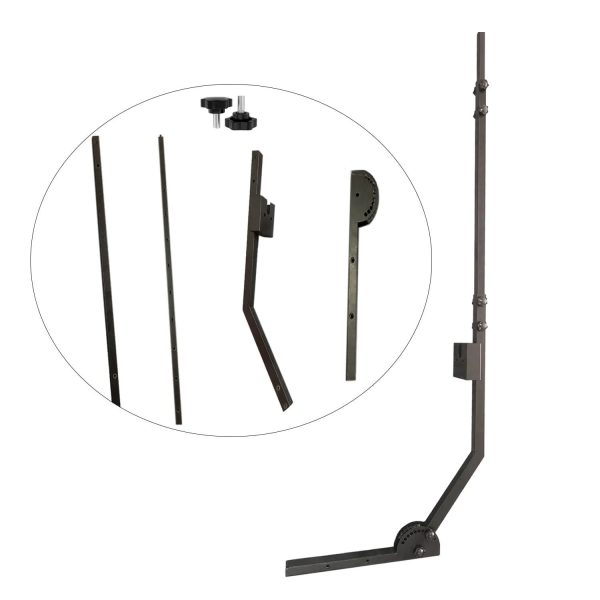
- Platform build & motor. The platform carries your guests and takes the abuse of load-in and load-out at every event. Look at the weight rating and the material — a steel base is fine for smaller units, while larger booths use an LED-glass platform that adds the glow guests love. The motor and arm are the parts that fail first on cheap booths, which is why access to replacement arms and motors matters (more on that below).
- Capacity for your bookings. A 27″ is a two-person booth; a 45″ handles a bridal party. Buying too small caps how you can market yourself; buying too big means hauling weight you rarely fill.
- The app / software. This is what turns a spinning camera into a shareable experience — slow-motion, boomerang, music, overlays, instant sharing, and event branding. A booth with a mature, regularly updated app is worth more than one with slightly nicer hardware and abandoned software.
- Lighting. Consistent, adjustable lighting is the difference between crisp, brand-worthy clips and dim, grainy ones. Ring lights and LED accents should be bright enough for a dark reception hall.
- Warranty & support. You are buying a revenue tool, not a toy. A real, multi-year warranty and a support team you can reach the same day protects the income that booth is supposed to generate.
- Where it ships from. A booth that ships from within the U.S. arrives in days, not weeks, and — critically — means parts and help are a domestic phone call away when a gig is on the calendar.
2. 360 photo booth sizes compared
Platform size is the first real decision, because it sets both how many guests can jump on and how easily you transport the booth. Here’s how the common sizes stack up.
| Size | Comfortably fits | Weight rating* | Best for | Transports in |
|---|---|---|---|---|
| 27″ | 1–2 people | ~350 lb | Solo shots, tight venues, a second/backup unit | Sedan trunk |
| 32″ | 1–3 people | ~500 lb | The all-rounder most mobile operators land on | Sedan trunk |
| 40″ | 1–5 people | ~700 lb | Groups + LED-glow clips, weddings & parties | SUV |
| 45″ | 1–7 people | ~800 lb | Big weddings, corporate activations, large crowds | SUV / van |
*Capacity and weight ratings vary by model — always check the spec sheet on the individual booth. Ratings above reflect typical figures across our 360 photo booth range.
Rule of thumb: if you don’t know yet, a 32″ or 40″ covers the widest range of bookings. Operators who mostly serve weddings and corporate events tend to size up to 40″/45″ because group shots are the ones that get reshared and win referrals.

3. 360 spin vs. iPad vs. Magic Mirror — which format to buy
“Best” isn’t always a 360. Which format wins depends on your market and how many services you want to offer.
- 360 spin booth — the headline attraction. Highest wow-factor, the format guests actively seek out, and the strongest per-hour rate. Needs floor space and a bit more setup. Start here if you want one flagship product. Browse 360 booths →
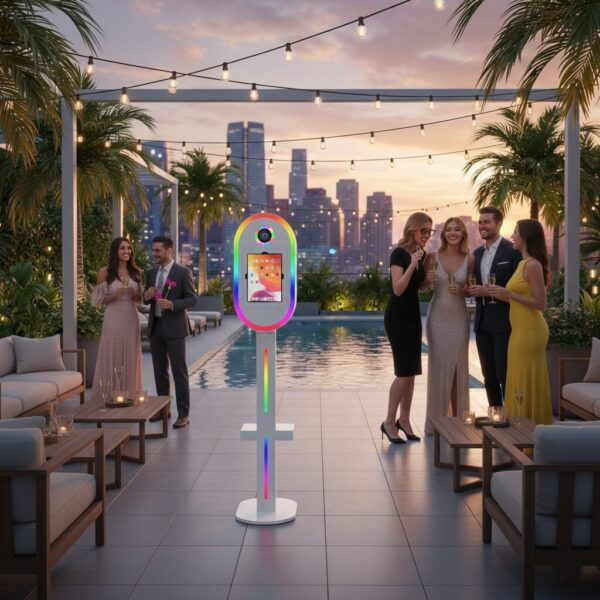
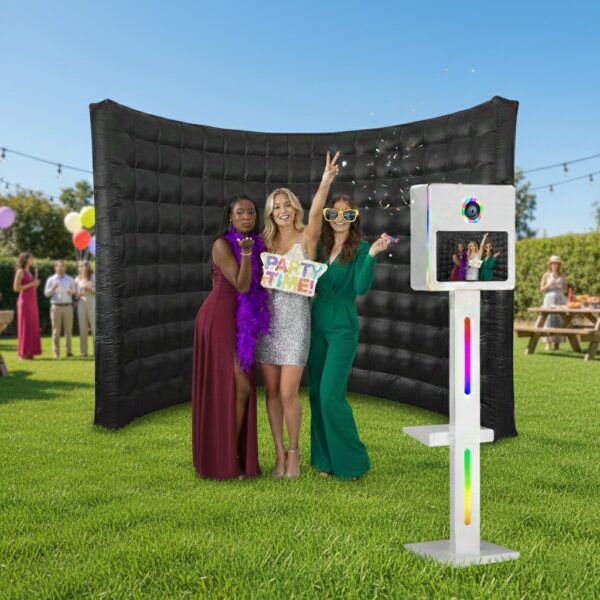
- iPad selfie booth — the lightest, fastest, and cheapest way to add a second offering or serve smaller/indoor events. Guests take photos, GIFs and boomerangs; you get an open, easy-to-run booth that fits anywhere. Browse iPad booths →
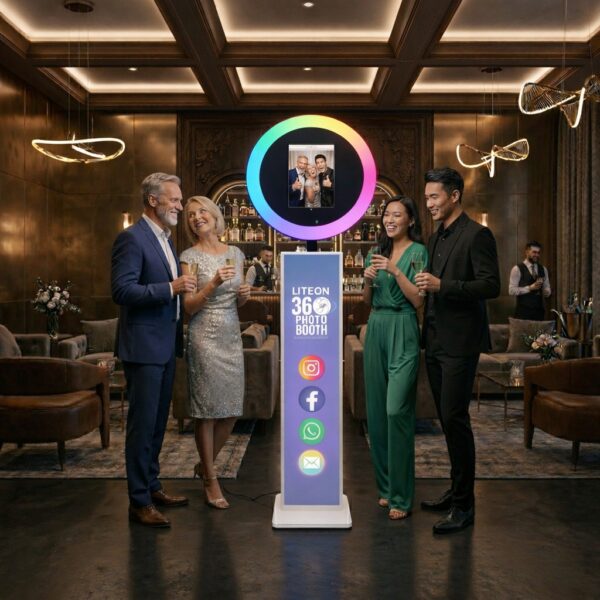
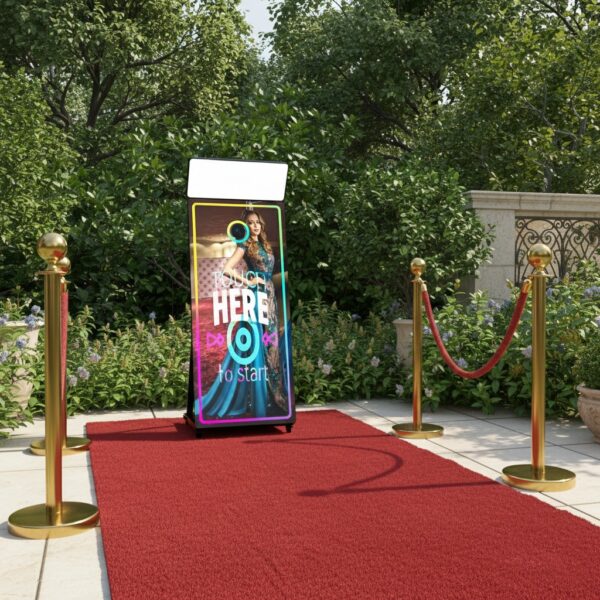
- Magic Mirror booth — a full-length touchscreen mirror with a DSLR and instant printing. It leans premium and photo-print-forward, which plays well at upscale weddings and galas where guests want a keepsake in hand. Browse mirror booths →


Plenty of successful operators run a 360 as the flagship and add an iPad booth as a low-cost second unit so they can cover two events in a weekend. If you’re weighing whether to own at all, read renting vs. buying a 360 photo booth.
4. Platform-only or a complete package?
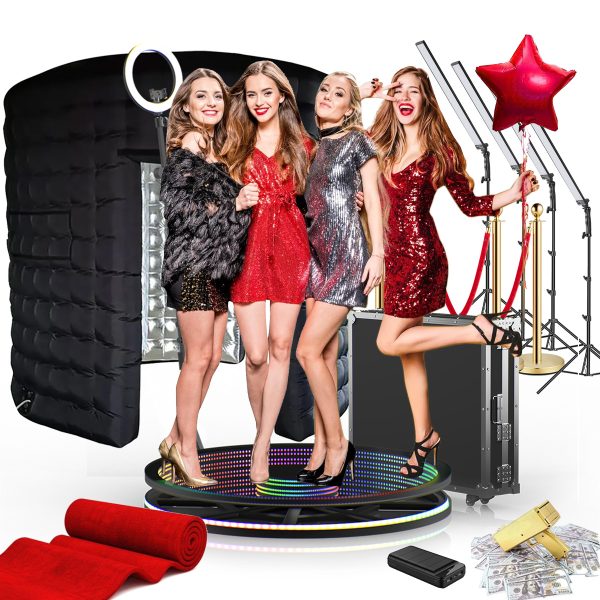
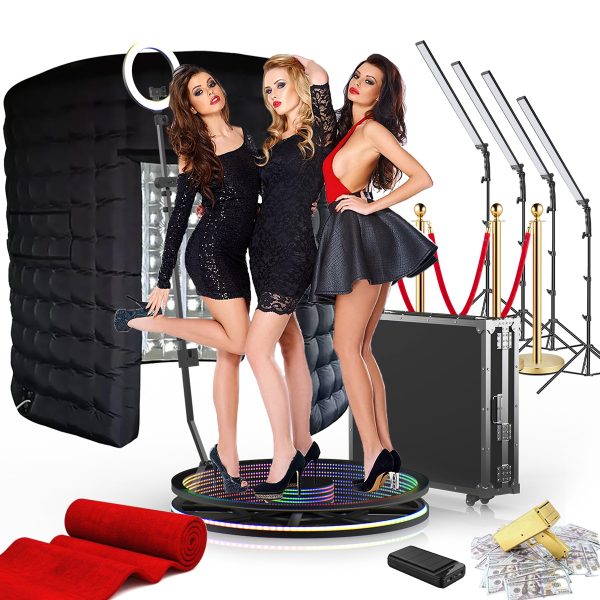
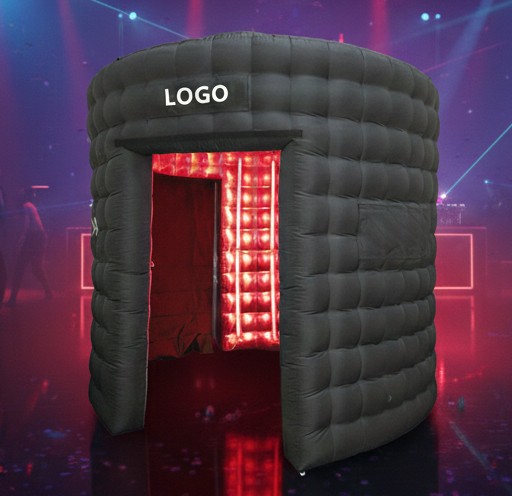
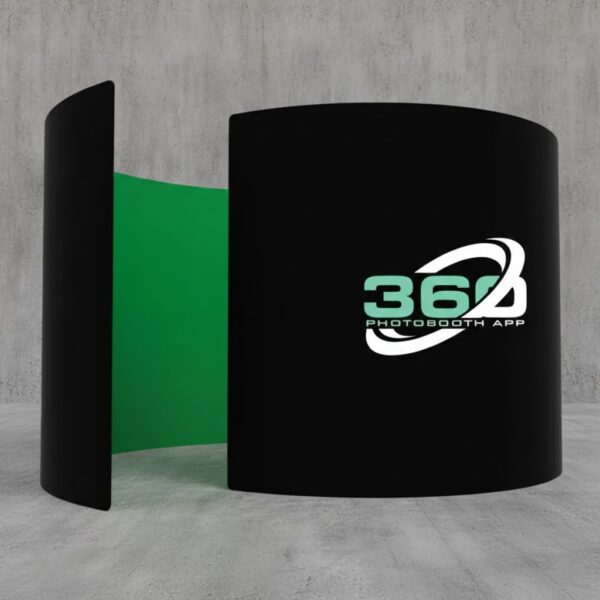
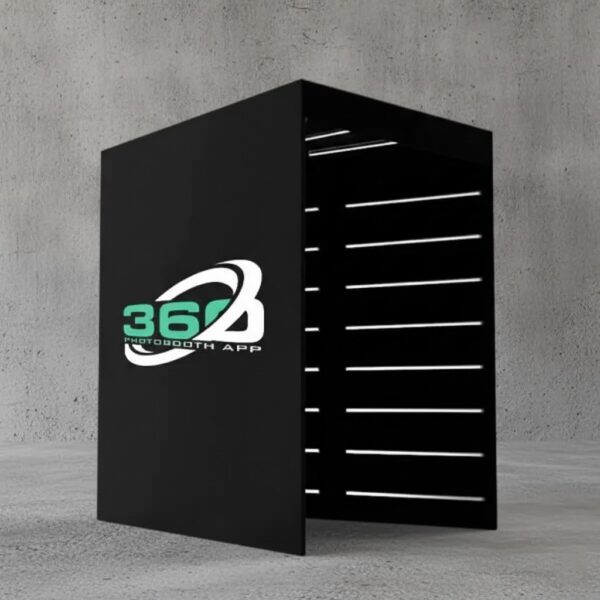
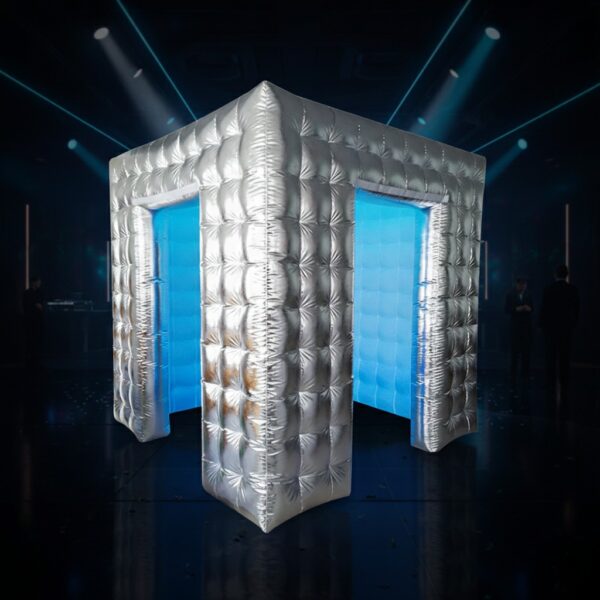
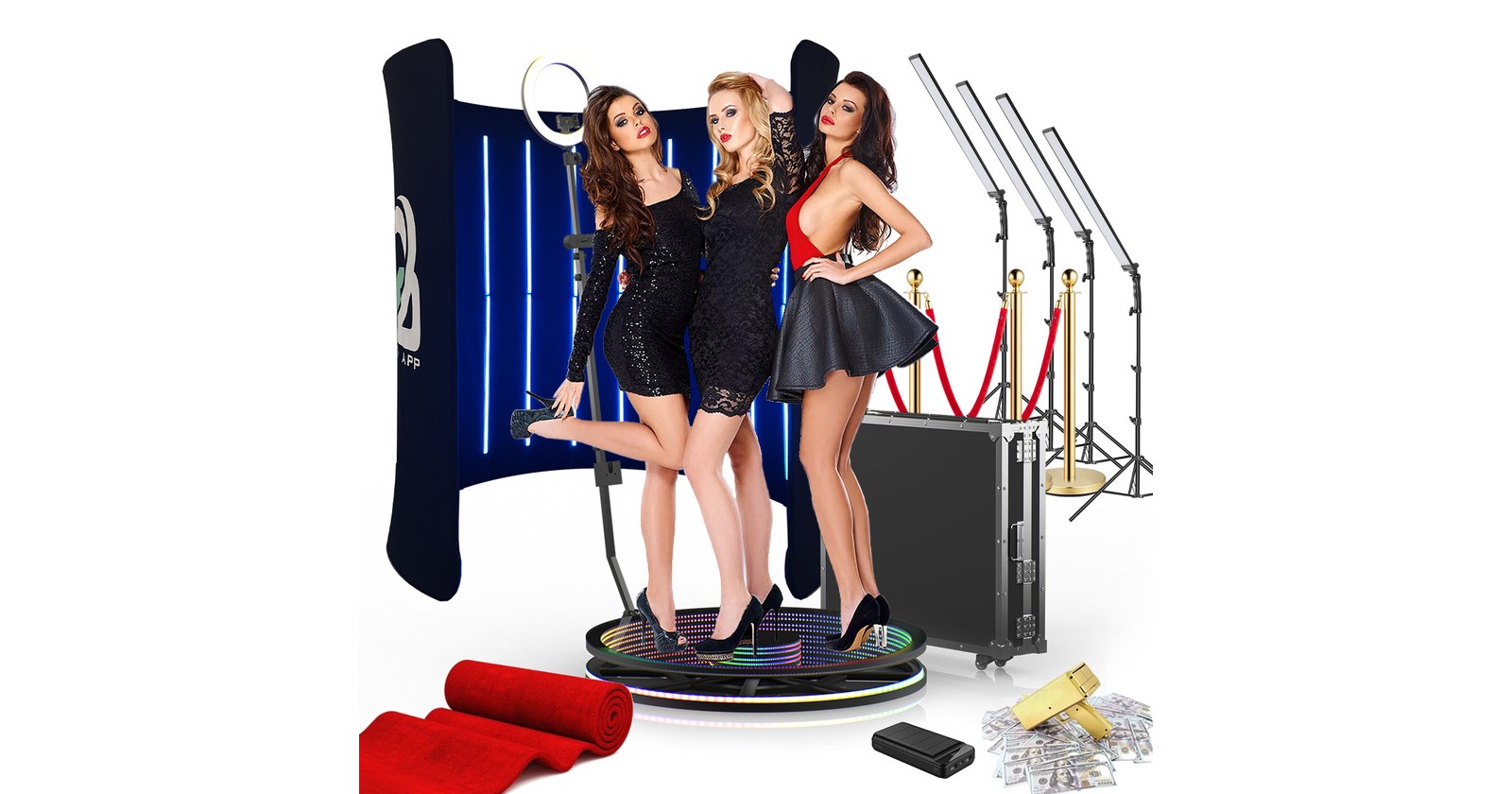
You’ll see two ways to buy: the spinning platform on its own, or a complete package that bundles the platform with the enclosure, LED wall, lighting, stanchions and the extras you actually need on site.
Platform-only is cheaper up front and fine if you already own the surrounding gear. For a first booth, a complete package is almost always the better value — you get everything that makes the booth look finished at an event, and you avoid discovering on your first booking that you’re missing a light stand or a rope-and-post set. We break down exactly what each tier costs and includes in the 2026 360 photo booth price guide.

5. The buyer’s checklist (and the red flags to avoid)
This is where a lot of first-time buyers lose money. A booth is only a bargain if it’s still earning next season. Before you check out anywhere, confirm:
- Is there a real warranty? Our 360 booths carry a 5-year limited warranty. Many cut-price booths carry 30–90 days — or none you can actually claim.
- Can you get replacement parts? Arms, motors and platforms take wear. We stock replacement parts so a worn part is a quick swap, not a dead booth. Ask any seller where you’ll get a replacement motor in month 14.
- Where does it ship from, and how fast? Our booths ship from the USA, typically within 24 hours. A booth ordered from overseas can be weeks out — and support is a time-zone and a language away when a paid event is on the line.
- Is the app included and maintained? Every Booth King 360 booth includes 90 days of the 360 Photo Booth app (iPhone, iPad and Android) with slow-motion, music, custom overlays and instant sharing.
- Are the specs real? Weight ratings and platform sizes should be published per model, not vague. If a listing won’t tell you what the platform is rated to, treat that as an answer.
- Can you finance it? Spreading the cost with PayPal or Klarna lets the booth start earning while you pay it down — often the smartest move for a new operator.
The quiet trap: the cheapest booth online is frequently a generic import from a seller whose main business is something else entirely. It may photograph well, but there’s no U.S. warranty to claim, no parts stocked stateside, and no one to call when the motor stalls the night before a wedding. The “savings” evaporate the first time you have to cancel a booking.
6. The best 360 photo booth for your situation
- Best all-round first booth: a 40″ complete package — LED-glass glow, fits groups, one vehicle, broad appeal. See Deluxe 360 packages.
- Best for tight budgets or a lean start: a 32″ package, or an iPad booth as a low-cost entry point.
- Best for weddings & corporate: a 45″ for big group shots, or a Magic Mirror for a premium, print-forward experience.
- Best second unit: a 27″ or an iPad booth so you can staff two events at once.
7. How much should you spend?
Complete 360 packages start around the low-$2,000s, with platform-only options lower and larger/loaded builds higher. But the number that matters isn’t the sticker — it’s the payback. At typical rates of $400–$1,500 per booking, a booth often pays for itself in a handful of events. We show the full math in how much a 360 photo booth costs and is a photo booth rental business profitable. New to the business side? Start with how to start a photo booth rental business.
Frequently asked questions
What is the best 360 photo booth size to buy?
For most mobile operators, a 32″ or 40″ is the sweet spot — big enough for group shots, small enough to transport easily. Size up to 45″ if you mainly book weddings and corporate events with large groups; drop to 27″ for tight venues or a backup unit.
How much does a good 360 photo booth cost?
Complete 360 packages generally start in the low-$2,000s, with platform-only options costing less. Focus on total value — warranty, parts, app and support — rather than the lowest sticker price. See our 2026 price guide for a full breakdown.
Are cheap 360 photo booths worth it?
Usually not for a working operator. Bargain imports often lack a claimable warranty, stocked replacement parts, and fast domestic support — so one failure can cost you a paid booking and wipe out the savings. Buy a booth you can keep running.
Is a 360 photo booth better than an iPad or mirror booth?
They serve different needs. A 360 booth has the highest wow-factor and per-hour rate; an iPad booth is the cheapest, lightest way to add a second service; a Magic Mirror is a premium, print-forward option for upscale events. Many operators run a 360 plus an iPad booth to cover more events.
How fast can I get a 360 photo booth?
Booth King booths ship from the USA, typically within 24 hours of ordering, so you can have a booth in hand and earning in days rather than the weeks an overseas order can take.
Ready to pick your booth? Compare sizes, specs and live pricing across the full range — every booth ships from the USA, includes the app, and is backed by our warranty and support.







No comment