





Short answer
- Yes, and the reason is structural. The booth is bought once. Every event after that costs you travel, maybe an attendant, and a few consumables — so most of what you charge above those is margin.
- Typical rate: $400–$1,500 per booking depending on market, hours and what is bundled in.
- Typical event cost: $50–$300 depending on whether you staff it and whether you print.
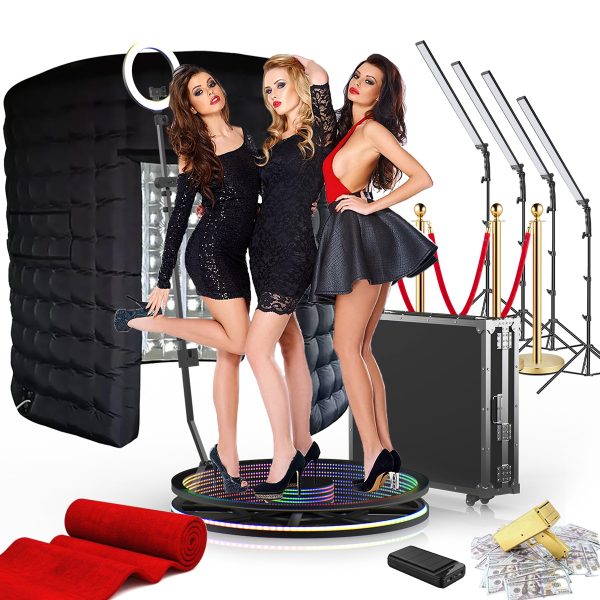
- Break-even is measured in bookings, not years. A $2,099 complete package clears in roughly four events at $750 each.
- The constraint is booking volume, not equipment cost. Nobody fails at this because the booth was too expensive.
Photo booth rental is one of the higher-margin corners of the event industry, and the reason is not glamorous: the expensive part is a one-time purchase, and the marginal cost of the next booking is small. Once the booth is paid for, the arithmetic gets straightforward.
That is the good news. The rest of this page is the honest version — what operators charge, what each event actually costs to run, which upsells are worth chasing, and the things that quietly eat the margin.
1. What operators actually charge
Rates vary more by market and event type than by equipment. The same booth earns very different money on a Saturday wedding and a Tuesday school dance.
| Event type | Typical rate | Notes |
|---|---|---|
| Wedding, 3–4 hrs | $800–$1,500 | Books 6–18 months out. Highest rate, longest lead time. |
| Corporate event or activation | $900–$1,500 | Branding and data capture are worth more here than the booth. |
| Milestone birthday or quinceanera | $500–$900 | Weekend evenings, short lead time. |
| School dance or prom | $400–$800 | Weeknights and off-season dates that would otherwise sit empty. |
| Weeknight private party | $400–$600 | Fills gaps rather than driving the year. |
Two things move you up these ranges faster than better equipment. The first is who you market to — see booking luxury clients. The second is corporate work, where the budget holder is not paying out of their own pocket and cares about branding and lead capture more than price.
2. Where the money goes
Split the costs into three buckets, because they behave completely differently. The one-off bucket is what people fixate on and the per-event bucket is what actually decides whether a booking is worth taking.
| Bucket | Item | Range | Notes |
|---|---|---|---|
| One-off | Complete 360 package | $2,099–$3,499 | Cleared in the first handful of bookings. |
| One-off | Spare parts and a second case | $200–$600 | Cheap insurance against a dead Saturday. |
| Per event | Travel and fuel | $20–$80 | Scales with how far you will drive. |
| Per event | Attendant, if you use one | $100–$200 | The first cost to cut, and the first thing clients notice. |
| Per event | Props, consumables, prints | $15–$60 | Only if you print. |
| Annual | Liability insurance | $400–$900 | Most venues will ask for a certificate. |
| Annual | Booking and gallery software | $300–$900 | Optional at first, essential past two booths. |
For what the equipment itself costs across every platform size and tier, see our 360 photo booth cost guide.
3. Work out your own margin
Put your own rate, volume and costs in. Nothing here is a projection of what you will earn — it is your numbers, multiplied.
Photo booth profit calculator
Set your typical booking, then subtract what it actually costs you to turn up and run it.
Excludes insurance, software, marketing and tax, which are annual rather than per-event. Does not account for the one-off cost of the booth — the cost guide has a payback calculator for that.
4. Upsells that move the number
The difference between a $600 booking and a $900 booking is rarely a better booth. It is what you attach to it. These are the ones guests and clients actually say yes to, roughly in order of how often they get taken.
Extra hours
The easiest money in the business. You are already at the venue, already set up, and the marginal cost of another hour is close to zero. Price it clearly on the booking form rather than negotiating it at 11pm.
On-site printing
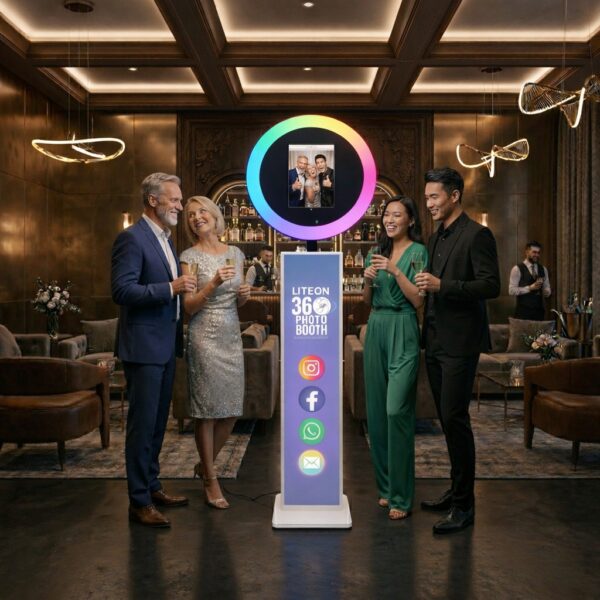
Guests ask for prints at the event, not in the enquiry. A compact dye-sub printer is $259 and turns a digital-only package into a premium one. It is also the single strongest argument for a magic mirror booth alongside a 360 platform.
Custom branding and overlays
This is where corporate work pays. A custom vinyl logo is $129 once, and a branded overlay costs you nothing per event but is charged as a premium every time. For a brand activation, the branding is the product.
Atmosphere and props
A fog machine at $59, a money gun at $30, a red carpet at $199 — individually trivial, and collectively the difference between a booth in a corner and an attraction with a queue. The full range is in photo booth accessories.
A second format at the same event
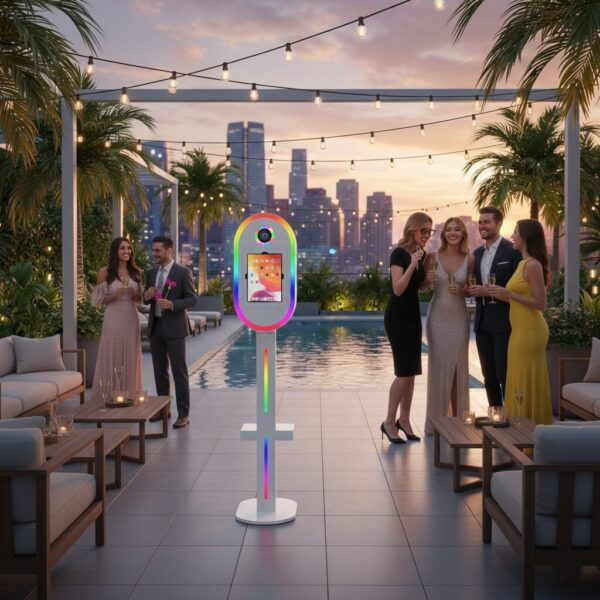
Two booths at one venue means one trip, one setup window and roughly double the invoice. A 360 platform plus an iPad booth starting around $879 is the cheapest way to test whether your market will pay for it.
Beyond the booth
Some operators bundle décor and take the whole entertainment line rather than a slice of it. An event candy cart at $699 or a display cart at $1,399 rents alongside the booth to the same client on the same trip. More options in event display carts and party accessories.
5. When a second booth pays
The second booth is a better investment than the first, and operators consistently underestimate this. The learning curve is already behind you, the marketing is already running, the insurance is already in place, and the brand already has reviews.
Two signals say it is time:
- You are turning down dates. Every declined Saturday in peak season is the clearest possible signal. If it happens more than a couple of times, the second booth pays for itself inside a season.
- Clients want two formats at one venue. A 360 platform for the young crowd and a mirror booth printing keepsakes for everyone else is a common ask at weddings, and it doubles the invoice for one trip.
What does not justify a second booth is wanting a newer one. If the platform still spins, the upgrade money is better spent on an enclosure that makes the existing booth look like a $1,200 booking.
6. Filling the off-season
Operators who rely only on weddings feel the calendar hardest — a strong spring and autumn either side of a thin winter. The businesses that stay steady spread across event types:
- Corporate holiday parties land precisely when weddings do not. See photo booths for corporate events.
- Brand activations and trade shows run year-round and pay for branding rather than for hours.
- Schools book proms, graduations and fundraisers on weeknights that would otherwise be dead.
- Venue partnerships. One hotel or event space that recommends you by default is worth more than any month of advertising.
7. What quietly kills the margin
- Driving too far for too little. A $500 booking two hours away is often a worse day than no booking. Set a radius and a travel fee, and hold them.
- Competing on price. There is always someone cheaper. Undercutting resets your rate for every future client who asks what your neighbour paid.
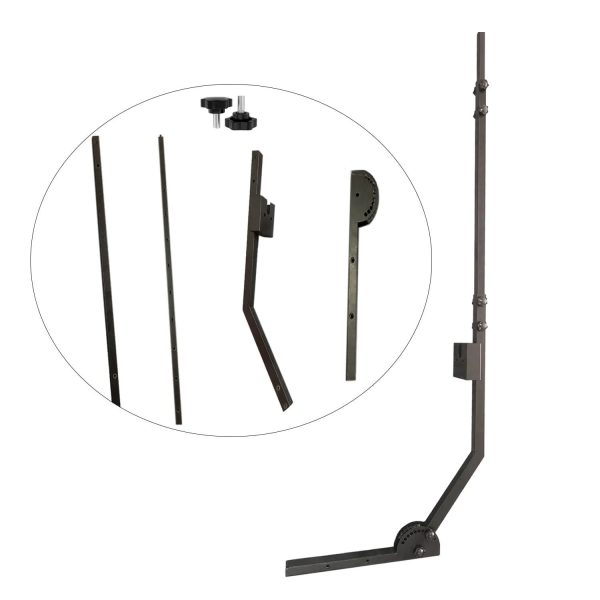
- No spares. A snapped arm or a dead remote on a Saturday costs a refund and a review. Replacement parts cost less than one lost booking.
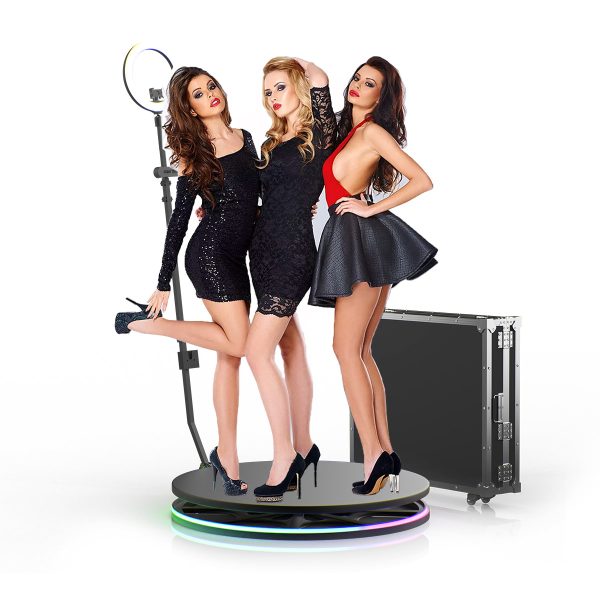
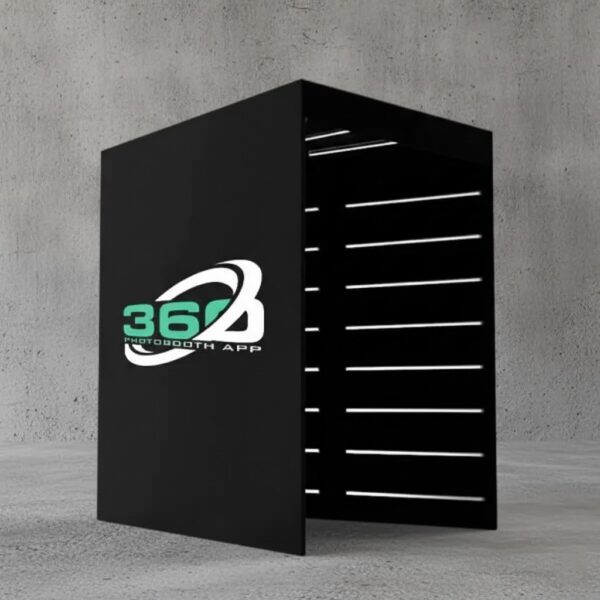
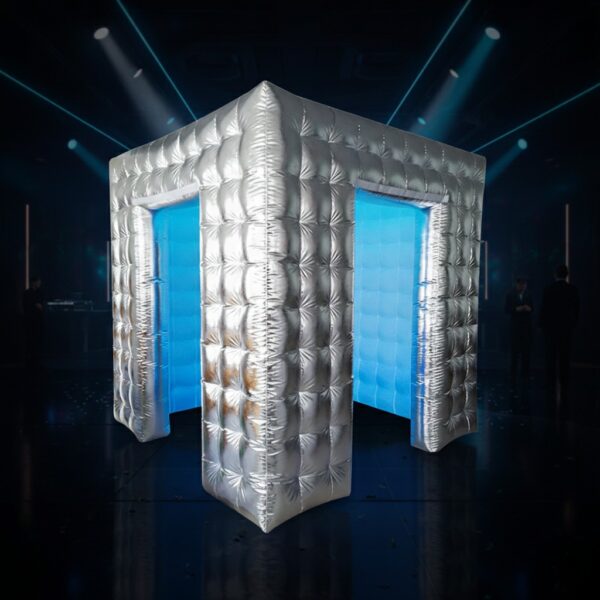
- Buying the platform without the presentation. A bare platform on a bare floor is a novelty. The enclosure, lighting and roped entrance are what justify the rate — which is why the complete packages tend to earn back faster than a bare platform bought to save money.
- Not tracking cost per event. Most operators know their rate and not their margin. They are different businesses.
If you have not bought yet, renting versus buying is worth reading first, and how to start a photo booth rental business covers the setup steps this page assumes.
8. The tax position
Equipment bought for a business and placed in service during the tax year may qualify for a Section 179 deduction, which for 2026 carries a limit of $2,560,000 — far above the cost of any booth. In practice that usually means the purchase can be expensed in full in year one rather than depreciated across several. The mechanics are in IRS Publication 946.
If you would rather not pay up front at all, Klarna, ClickLease and 0% layaway are available, and established businesses sometimes do better through an SBA-backed loan. We sell booths, not tax or financial advice — confirm your own position with an accountant.
Frequently asked questions
Before you buy: our best 360 photo booth buyer’s guide covers sizes, formats and the specs that matter.
Is a photo booth rental business profitable?
It is one of the higher-margin event rental businesses because the equipment is bought once and the cost of running each additional event is small. Most of what an operator charges above their travel, staffing and consumable costs is margin. The constraint is booking volume, not the cost of the booth.
How much do photo booth rentals make per event?
Rates in most US markets run $400 to $1,500 for a two to four hour booking, depending on the market, the hours and what is bundled in. Weddings and corporate activations sit at the top of that range; weeknight private parties sit at the bottom.
What are the ongoing costs of running a photo booth business?
Per event: travel, an attendant if you use one, props and printer consumables. Annually: liability insurance, booking or gallery software, and marketing. The booth itself is a one-off purchase that is usually cleared within the first few months of bookings.
What upsells work best for photo booth rentals?
Extra hours, on-site printing, custom branded overlays, a props or backdrop upgrade, guest galleries and a second booth format at the same event. Printing and extra hours are the two most commonly taken because guests ask for them at the event itself.
How many events do I need to book to break even?
A complete 360 package starts at $2,099. At an average of $750 per event with $150 of event costs, that is cleared in roughly four bookings. At $400 per event it is closer to eight.
When should I buy a second photo booth?
When you are turning down bookings on dates you are already committed, or when the same client wants two formats at one venue. The second booth has no learning curve and the marketing is already paid for, so it usually pays back faster than the first.
Is photo booth rental a seasonal business?
Weddings cluster in spring and autumn, but corporate holiday parties, school events, brand activations and trade shows fill much of the rest of the calendar. Operators who rely only on weddings feel the seasonality hardest.
When you are ready to price the equipment, start with 360 photo booths for sale or the complete packages. Everything ships from the USA within 24 hours.
- Section179.org — 2026 deduction limits and phase-outs
- IRS Publication 946 — How To Depreciate Property
- U.S. Small Business Administration — loan programs
Equipment prices on this page are read from the Booth King catalogue and re-checked on every update. Rental rates are typical US market ranges, not a guarantee of earnings.






No comment